
Wildfire risk is spreading as business preparedness comes under scrutiny
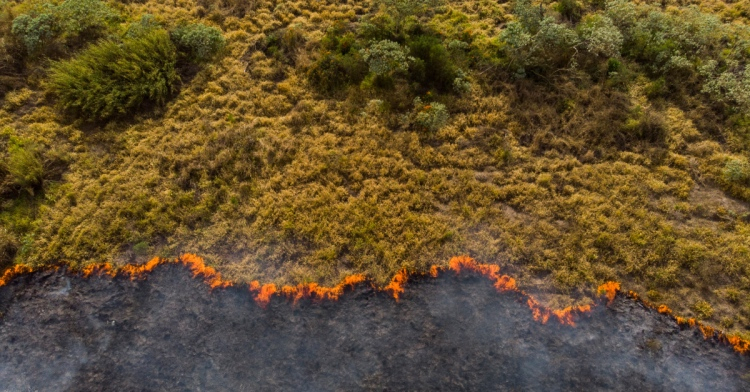
With companies seeing rising losses, regulatory scrutiny and increased litigation, Danny Stock from Allianz Commercial, argues for earlier intervention and better use of technology.
Recent wildfires across Europe have brought the commercial implications of fire risk to the fore. What was once considered an environmental threat has now become a test of business continuity, supply chain resilience and community safety.
This summer, fires have affected parts of the UK, Spain, France and Greece, following periods of extreme heat that left landscapes dry and highly combustible. High temperatures and strong winds have made containing the fires more difficult and, in some areas, led to evacuations.
However, this is now becoming the new normal. Australia began 2026 facing severe wildfires, while in California, January marked a year since the Eaton and Palisades fires, which burned more than 37,000 acres and displaced thousands of people. The UK has also seen growing pressure, with fire services responding to more than 26,000 incidents in 2025 as an unusually active spring coincided with drought and intense heat.
Financial consequences have escalated
Taken together, these events point to a growing global challenge that requires earlier intervention, stronger preparedness and more disciplined risk management.
Natural catastrophes, including wildfire, now rank fifth in the Allianz Risk Barometer and have appeared among the top five global business risks in four of the past five years. Across many regions, fires are becoming more frequent, more severe and less geographically predictable, driven by climate change, human activity and changing land use.
The January 2025 Los Angeles wildfires showed the scale of the exposure in traditionally high-risk regions such as the western US, western Canada, southern and eastern Australia, and southern Europe.
Crucially, wildfire is no longer limited to familiar hotspots. Recent events have also affected areas once considered relatively low risk, including forests in northern Canada, Scandinavia and Russia, while South Korea experienced its deadliest wildfire outbreak during March and April 2025.
Longer and earlier fire seasons are placing additional strain on resources as neighbouring areas often require support at the same time. In addition, fires are growing in size and frequency. Climate change is adding to the challenge by increasing combustible fuel loads, drying vegetation, intensifying winds, lightening activity and supporting the spread of invasive, flammable species.
Land use is further changing the risk profile, particularly in the wildland urban interface, where development continues to expand into fire-prone vegetation. This brings more homes, businesses and infrastructure into exposed areas, while longer electricity networks and roadways increase potential ignition sources.
The financial consequences have escalated sharply, with global insured wildfire losses rising from US$8.7bn in the 2000s to US$56.3bn in the 2010s.
Practical prevention measures and the role of technology
Although no industry is immune, utilities and energy, real estate and construction, agriculture and transportation are particularly exposed to physical damage, operational disruption and business interruption.
Rising losses are also being accompanied by greater regulatory scrutiny and increased litigation around wildfire liabilities. For organisations operating in or near vulnerable areas, this makes clear governance, robust risk controls and well-evidenced wildfire management plans increasingly important.
Practical measures include establishing defensible space around assets, reducing and managing vegetation, using non-combustible or fire-resistant materials, and keeping fire protection arrangements aligned with emerging best practice.
Businesses should also maintain up-to-date wildfire preparedness and continuity plans, including an assessment of whether their own operations could ignite a fire or be disrupted by one started elsewhere.
Technology is becoming an increasingly important part of this response. Seasonal forecasting, drone inspections, geographical information system mapping, thermal imaging, vegetation monitoring tools and AI-enabled cameras can all support earlier identification of danger points and faster intervention.
Effective mitigation will depend on a joined-up approach. Business preparedness needs to sit alongside broader action to reduce emissions, adapt to more volatile conditions, improve planning decisions and invest in technologies that strengthen wildfire detection, forecasting and suppression.
For more detail on the impact of wildfires, read Alliance Commercial’s report, Wildires, Emerging Risk Trend.
Danny Stock is head of property, UK and South Africa Region, Allianz Commercial.