
Member Q&A: Pam Joshi on managing risk and insurance during a high-profile acquisition
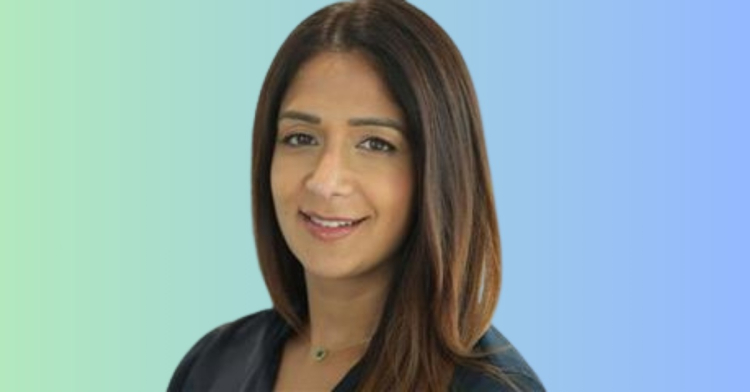
M&A can increase complexity and change the risk profile of the companies involved. But as Airmic member Pam Joshi, global head of insurance and risk management at Takeda, reflects, it also opens opportunities to rethink risk and raise the profile of insurance.
Pam, thanks for talking to Airmic News. You joined Shire in 2017 – then one of the fastest growing global pharmaceutical companies – and not long after it was acquired by Takeda.
Yes, Shire was going through something of a transformation. It acquired Baxalta and then underwent an integration and was later acquired by Japan-domiciled Takeda in 2019. It was the largest acquisition – approximately $62bn – in the history of the life sciences and biopharma industry. It’s been a really exciting period of change and growth.
What opportunities arose in managing risk and insurance during this period of transformation?
Shire was a Dublin-domiciled company with a large US presence and a relatively recent history compared with Takeda, while Takeda had a long Japanese heritage – 245 years in 2026. So it was the coming together of two very different cultures and different risk appetites. For example, Takeda had an empowerment mindset whereas Shire was highly centralised.
From an insurance perspective, the team suddenly had a much larger scope with a global footprint from both legacy companies, doubling the company in size and revenue. It presented a unique opportunity to consider emerging exposures and how programmes are structured.
Immediate quick wins included leveraging existing insurer relationships and consolidating efforts, broker RFP’s, combining risk management systems, enhancing clinical trials insurance documentation, and developing an insurance framework for major CAPEX projects. Other changes included reassessing how we collect and assess underwriting data and running tenders to ensure the insurance supply chain was optimised.
Did any new risk strategies emerge from the transformation?
Yes. The transformation gave the business a chance to step back and reassess its overall approach to cyber risk. For example, we reviewed how both legacy businesses approached cybersecurity and modelled scenarios – these enabled discussions on risk appetite, possible balance sheet and captive retention, and incident management.
That work led to the informed decision by the CFO in 2019 to buy cyber insurance for the first time and start building a dedicated cyber insurance framework. It was a major piece of work that involved close collaboration across risk functions, with strong support from the CISO.
Overall, cyber risk is now much more embedded in strategic discussions and wider business governance, so it’s been a very positive journey.
AI is transforming drug discovery, how is that impacting your risk profile?
We are seeing increasing use of AI across the business – from clinical trials to manufacturing and patient engagement. As a data-intensive industry, this presents significant opportunities.
At the same time, we are actively strengthening governance, with AI-specific frameworks embedded within broader enterprise risk structures. As a highly regulated sector, this requires an even greater focus on ethical oversight, data privacy and transparency.
The priority is to ensure innovation is deployed responsibly, with robust controls in place and with patient trust and safety at the centre.
Stepping back from the acquisition journey you’ve been on, how would you say the company’s approach to risk has evolved in your time at the company?
I wanted to dig deeper into the risk landscape and work more closely with those responsible for managing risk across the business, including manufacturing, ERM, crisis eesponse, cyber security and financial risk, to understand the operational picture and how risk could filter more effectively into senior decision making.
Ultimately, it entailed reviewing every risk across the group and across verticals, working to bring key leaders together and break down silos.
I’m proud of what we’ve achieved. Today we have an insurance programme that touches every pillar of the company. I am empowered to make insurable risk decisions across the group and have become a trusted business partner and adviser. That doesn’t happen overnight or without pushing, being visible and educating the business.
Finally, tell me how your captive strategy has evolved with the broader business transformation.
It has been a significant journey with our captive strategy, moving from a structure with three captives (two in Dublin and one in Switzerland) in 2019, to a much more focused and mature approach today centred around our Dublin-domiciled captive, PIIDAC.
Since 2022, the captive’s role within the group has been increasingly expanded. Initially, we used it for smaller layers of capacity on programmes such as cyber during a particularly difficult market period. From there, we started using the captive to write direct covers for non-traditional risks difficult to place in the commercial market, including non-damage business interruption and clinical trial-related risks.
The strategy has continued to mature, and we’ve since made some bold decisions to retain larger portions of property and cyber risk within the captive. We’ve achieved some real successes at recent renewals by retaining significant limits internally which is ultimately aligned to our long -term risk financing strategy.