
Technology: Are captives falling behind?
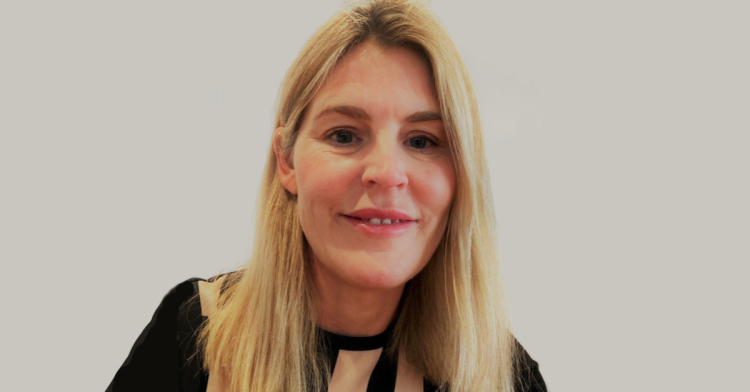
Risk managers don’t need to be tech experts, says Helen Dines at Tata Consultancy Services, but they do need to be asking the right questions.
Q: Helen, you recently hosted a roundtable with Airmic captive members. Why do you think there can be a hesitance around fully embracing captive technology?
A: I think one of the key issues is that you don’t know what you don’t know. Risk managers are often spread incredibly thin, particularly in the captive world, where there’s often a disproportionate level of assets relative to headcount. Finding the bandwidth to explore technology solutions and produce a digital roadmap is hard and can seem too daunting.
There’s also a perception that technology will be expensive. Building a business case can be harder when you have a small team, because investment is often justified through headcount savings. If your team is already lean, those savings are difficult to demonstrate. It can all feel like an uphill battle, leading to inertia and an “if it isn’t broken, don’t fix it” mindset.
Q: What are the key areas in which technology can help manage operational risks within a captive?
A: I see three main areas. The first is data integrity and lineage: knowing where your numbers have come from and being confident they’re correct. If you rely on fragmented spreadsheets and manual data transfers, tracing data back to its source can be fraught with risk. Ultimately, your board are making decisions based on that data, so you need to trust it, and be able to prove legitimacy. Data lineage tools can operate over complex technology estates to track, map and visualise the complete lifecycle of data.
The second is legacy technology. Older systems can fail, become unsupported or corrupt data, particularly when information is spread across multiple platforms. When systems fall over (which invariably seems to happen on a Friday afternoon!), the disruption is immediate and costly.
Refactoring - tidying up the legacy code base to make it more efficient - and replatforming - moving to a more modern solution - reduce these risks.
Then there’s cyber risk across the wider supply chain. Your claims provider, finance provider or even your stationery supplier could all be potential weak links. Technology can help monitor third parties, identify vulnerabilities and secure connections. It’s about understanding where the gaps are and knowing how to close them.
Q: Can you give an example of where technology is helping captives manage cyber breaches?
A: Significant cyber intrusion rarely strikes instantly. Malicious code can sit inside a network for months before being activated, by which point it may have spread across multiple systems, including into backups or the parent company. When an incident occurs, you can’t simply backup and restart because you risk reinfecting the restored environment.
Technology can help by live scanning systems for malware, defining recovery protocols and creating a secure, isolated environment, called a clean room, where systems and data can be recovered and systematically inspected and sanitised before being reconnected.
For a captive, that could mean restoring access to critical policy and claims data without exposing the wider parent organisation. Specialist providers can have these recovery environments ready in advance, transforming a potential shutdown into a controlled, auditable recovery.
Q: What is your advice to a captive manager wanting to explore the benefits of technology?
A: They don’t have to do it all themselves nor become a technology expert - just ask the questions. This is where a technology partner has a real role to play – they should act as an advisor and architect who understands the insurance value chain. If you’re large enough to operate a captive, your capital and risk exposure warrant dedicated technology guidance.
A technology partner can assess your technology maturity, diagnose cyber and operational vulnerabilities and identify pragmatic quick wins. The goal is to give captive boards clarity so that staying with the status quo becomes an informed, active decision rather than an accidental risk.
Q: What is your message to professionals concerned about the impact of technology on their workforce?
A: It would be a very bold organisation that took humans out of the risk process altogether. Risk management requires human judgement, which technology can support but not replace.
Typically, we see that AI has a positive impact, providing guidance, making suggestions and automating administration while freeing people to focus on where their expertise matters most.
The next generation of risk professionals wants to be strategic advisors. By modernising a captive’s technology foundation, the role of the risk manager can be elevated, making the captive environment more engaging and building a sustainable pipeline of future leaders.
Helen Dines is Director – Insurance at Tata Consultancy Services. Her work focuses on helping organisations improve efficiency, strengthen service and create capacity for growth across the insurance value chain.