
How do you build a captive-first strategy that delivers?
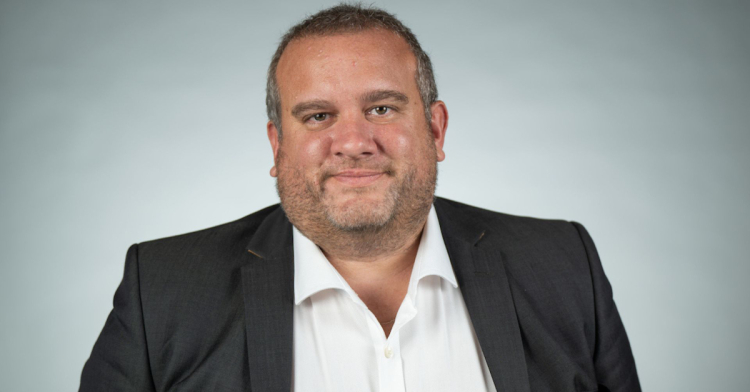
IHG’s Marc Bentley, panellist at next month’s London Captive Week, says a captive should operate as an insurance company in its own right – including senior buy-in, strong governance and a continually evolving strategy.
As captives evolve into the mainstream and organisations become more bullish in how they deploy them, a growing number of companies are seeking ‘captive-first strategies,’ where the captive becomes the default location to insure group risks.
Airmic’s 2025 captive survey showed that almost half of respondents are taking a captive-first approach and reports suggest many companies are considering a similar approach.
However, expanding the use of your captive takes careful consideration, analytical planning and collaboration between the captive manager and senior leadership.
So, what are the key factors to consider when transitioning to a captive-first strategy? This is the exact question being asked to a panel of experts at London Captive Week on 20-22 October.
A long-term goal is essential
One of the panellists, Airmic member Marc Bentley, head of global risk finance at IHG Hotels and Resorts, spoke to Airmic News ahead of the event.
“There are many factors you have to get right, but top of the list for me is having a clear and robust strategy that is agreed upon by senior leaders,” he advises.
“Once you have appropriate buy-in, it’s important to ensure you have clear governance around captive operations and how that engages with the business,” he continues.
It is particularly important to manage expectations about short-term losses versus long-term strategy:
“Ensure it is clear to all stakeholders that by expanding your captive utilisation you are taking more risk in-house, and although there is a risk that losses do occur, over the long-term your strategy is sound.”
Finally, a long-term view should underpin the whole captive-first strategy, he says. One of the common pitfalls is viewing a captive as a short-term benefit or a tax-saving vehicle:
“The captive should operate as an insurance company in its own right. A long-term goal is essential.”
When planning, allow for the fact that the captive will need to continually evolve and adapt: “It is not a ‘once and done’ process and you can move on. It requires ongoing oversight and resource to make it work. You need to consider regular reviews, optimisations and the evolution of your strategy.”
The benefits: more than financial
IHG has operated a captive-first strategy for several years, and the benefits have been numerous, says Bentley.
Premium savings have been the clearest advantage, as well as having a diversified portfolio of risks. “This has enabled us to engage with the reinsurance market to finance our portfolio of risks in a more financially viable way,” he explains.
Alongside these headline benefits has come a broader improvement in the company’s qualitative and quantitative understanding of risk: “Data transparency over a greater number of risks has improved, as well as general risk awareness across the business,” he notes.
Marc Bentley will be speaking in more detail on this topic at London Captive Week 20-22 October, an event supported by Airmic. Visit the website for more information or to book tickets.