
Fireside chat with Swiss Re’s Nina Arquint on emerging risks
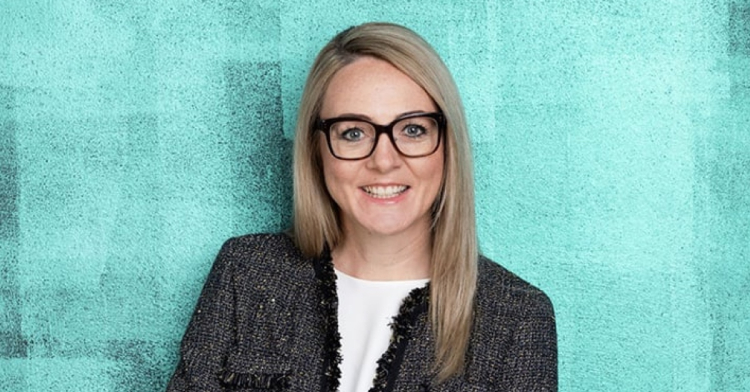
Airmic’s Julia Graham, sat down with Nina Arquint, CEO UK & Ireland, Swiss Re Corporate Solutions, to discuss emerging risk strategies, resilience and the future of risk financing.
Q: Nina, thank you for your joining us. Organisations are putting increasing focus on emerging risks, but there is not one recognised definition. What, for you, defines an emerging risk?
It is something that you can’t quantify at this time, but it could have a huge impact on your business.
Emerging risks might be totally new, or they may be existing risks that are changing.
Climate change is an example of the latter. You might not consider climate change as an emerging risk but there are some elements that we’re only just learning about, such as the implications on life, health and mortality.
But the main thing to remember is that emerging risk is not an exact science. The quantification of it and accuracy are not the most important factors. What matters is that we think about it and we talk about it – and then we ask the important questions, the ‘so what?’ questions.
Q: Emerging risks by their very nature are wide ranging and uncertain. What is your advice for managing them?
Each year Swiss Re publishes its SONAR Report on new emerging risks and it’s over 30 pages long! It can leave you questioning, how can we deal with such an environment and not get lost? How can we begin a dialogue from such a vast starting point?
For me, what is just as important as the specific risks, is the trends and clusters, and that is our starting point. Consider the emerging trends that are systemic and strategic and then understand where you are vulnerable to them.
That’s more helpful than looking at individual risks as we will never know what risk will materialise next. That was a key lesson from Covid.
At Swiss Re, we also use heatmaps. Their value may have limits, but they put the risks on the page and can start a conversation, helping you think about interdependencies and vulnerabilities.
But remember, the dialogue around them is more important than where you put the individual risks.
Q: What should corporates consider to ensure they are managing their risk well?
First of all, you need to be clear about why you are buying insurance and what your long-term goals are.
Are you focused on price, coverage or deepening your understanding of risk? The answer to that will determine how you come to the table.
Once you know your long-term needs, then you can build a partnership with your insurer or reinsurer based on a long-term understanding of your risk needs. This is vital.
I am deeply convinced that a short-term view is not the answer to today’s world. The risks we are facing cannot be addressed without partnerships.
By this I mean building a shared understanding of risk. I'm interested in your risk philosophy and your risk management strategy, not just your risk engineering reports. Once we understand that, then we can start building sophisticated solutions together.
Those are the conversations that I really enjoy, and it’s about far more than just buying insurance.
Q: Looking ahead, how do you see the future of risk financing solutions?
Our thinking needs to shift away from protection towards resilience. People say risk financing solutions aren’t supported by the market cycle, but that’s only true if you’re driven purely by pricing.
That’s not how I see it. Our industry plays an important role in society, here in the UK and globally, that goes beyond insurance and requires a different mindset: it’s about resilience. Insurance is important, but resilience goes beyond that.
That's why I believe we will see more conversations about alternative ways of thinking about risk and financing it, and I'm convinced that innovative solutions like captives and parametrics will be an integral part of that.
This article is based on a conversation between Julia and Nina at Airmic’s Risk Forum in February, hosted by Swiss Re Corporate Solutions in London.