
Airmic CEO: Start preparing now for UK captive regime
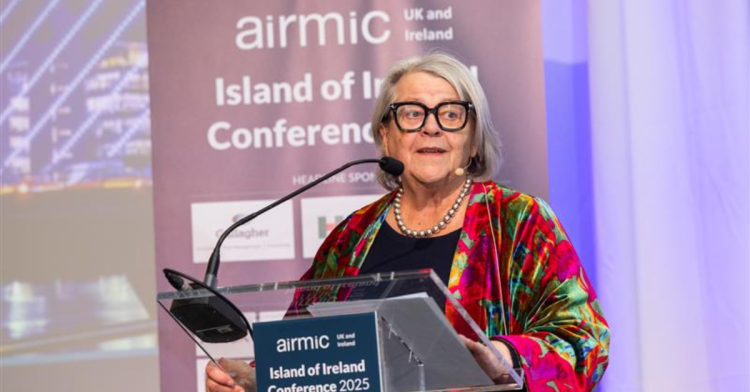
2025 has been a landmark year for captives with the UK announcing highly anticipated plans to become a captive domicile. Airmic CEO Julia Graham looks ahead to next year, discussing likely progress, the challenges that remain, and what Airmic members can do now to prepare for the new regime.
In July 2025, UK chancellor Rachel Reeves gave a speech committing to implement a “genuinely competitive, bespoke captive insurance framework” in the UK. This watershed moment was widely welcomed as a major boost for the UK insurance market and business community, giving existing captives and potential captive owners greater diversity and depth of choice.
By the time the official announcement was made, the news was highly anticipated in business and insurance circles. But establishing a UK captive regime was not an inevitable development, reflects Julia Graham, Airmic’s CEO:
“Most people don’t realise it was the result of three years of lobbying, hard work and persuasion – not to mention navigating a volatile domestic political environment, including a change of government,” she says.
Airmic was heavily involved in the behind-the-scenes campaign, championing the merits and use cases for captive insurers and introducing captive-owning members to officials. Details of its extensive response to the official consultation can be read here.
While the details of the new regime will not emerge until after the formal consultation process, the chancellor’s high-level proposals were broader in scope than originally envisaged, leading to quiet optimism about the future shape of the new regime.
The current high-level proposals include:
-
Proportionately lower capital requirements for captive insurers;
-
Reduced application and administration fees and a faster authorisation process;
-
Reduced ongoing reporting requirements, compared to those for insurers and reinsurers;
-
Potential recognition of Protected Cell Companies (PCCs) to help smaller firms establish captives without standalone entities.
Consultation underway
Since the initial announcement, the government has launched an extensive consultation process, drawing on experts from businesses, insurers, brokers and consultancies. A series of Subject Expert Groups – including Airmic and its members – have met six times to debate and advise on specific topics relating to the new regime, such as governance, innovation and employee benefits.
“We have been impressed by the regulator’s willingness to listen and learn,” says Graham. “The PRA is taking meaningful interest and asking very detailed questions which is very encouraging for the outcome. They have really engaged with our members and taken their time to understand our needs.”
As well as SEG meetings, the PRA is welcoming one-to-one dialogue with businesses. Graham encourages Airmic members with captives or those that may be considering starting a captive in the UK, to initiate a conversation as soon as possible.
“The PRA is keen to hear from as many companies as possible. The views of our members – especially those outside of London – are really important for shaping this process and creating a regime that works for UK businesses,” she says.
The next key phase will be the formal consultation period, which is currently on track to take place in the summer of 2026. Airmic, its members and the broader insurance market will have the chance to submit their views in writing to the government. The government is aiming to approve the first UK captives from 2027.
Richard Cutcher, Airmic’s captive ambassador, agrees that the process has been thorough to date, and is impressed with the PRA’s willingness to meet existing and prospective captive owners in one-to-one meetings.
“The PRA appear keen to hit the ground running and, hopefully, have a pipeline of applicants in place from day one of the new regulations coming into force,” he said.
“If that demand materialises, the key will be the PRA having the capacity and appetite to work with those applicants in an efficient way to ensure applications proceed and the first captives get over the line.”
Start planning now
During the next twelve months, Airmic members should stay as engaged and informed as possible, advises Graham. Airmic will be keeping members up to date throughout the year, including at its Captives Forum on 4 March and at its annual conference in Birmingham in June. It will also provide training sessions for the members through the course of the year.
Airmic member organisations collectively spend more than £5.1 billion in annual premium through their captives and hold more than £22.6 billion in assets under management. Of those who do not use a captive, almost three-quarters are exploring the possibility of forming a captive in the future, according to an Airmic member survey published in March this year.
Members that are considering establishing a UK captive should start planning now, even before the regime details are finalised, Graham says. “If you are considering being an early mover, it will be too late to wait till the details are fully available – they are unlikely to come through until the latter months of next year. It’s not too soon to start early preparations.
“Start by talking to the regulators and establishing the facts as they stand. Then begin mapping what needs to be done, educating your business, consulting with key individuals internally and externally.
“Planning a captive takes time and expertise and you must consider the full captive lifecycle at the outset. For example, companies should consider how they may one day need to dismantle their captive as that will impact its design phase.”
UK regulatory culture: too risk averse?
While the level of engagement and pro-business tone from the government are encouraging, many challenges and questions remain. “The government has said it wants the regime to be ‘internationally competitive’. That is of utmost importance and while the government is talking the right language, it’s imperative that it is backed up by action and substance,” says Graham.
Airmic is calling for the new regime to be ambitious, proportionate and agile with a laser focus on quality. “It needs to be a truly compelling offering if it is to compete internationally and offer our members a greater diversity of choice,” says Graham.
Concerns remain about the regulatory culture in the UK being too risk-averse and burdensome which could potentially prohibit a truly agile approach. Changing mindsets and shifting an organisational culture takes time and intention. They will also need sufficient staffing, expertise and organisational efficiency to manage captive applications from 2027.
“The government has shown it is keen to move ahead at pace and commit resources. But it’s clear they are aiming to achieve regulation that is both competitive and responsible which is not easy - it will require careful judgement and commitment.”
While 2025 will be seen as a landmark moment in the UK’s captive history, the truly meaningful work is only just getting underway, and 2026 will be critical for determining whether the government can match its promise with substance. Airmic will continue its dialogue with members and work with the government and regulators to ensure the diverse voices of its members are heard and listened to.